
Sri Lanka Wildlife Tours
Discover national parks, unforgettable safari experiences and the island’s remarkable natural habitats.
Sri Lanka is an exciting destination for travellers who want to experience wildlife, tropical forests, wetlands, and open grasslands during one holiday. From elephants gathering near water sources to leopards moving through dry-zone forests, the island offers opportunities to observe animals in their natural habitats. A well-planned Sri Lanka wildlife tour can also include birdwatching, marine wildlife experiences, and visits to protected national parks.
Wildlife experiences vary depending on the region, season, and type of animal you hope to see. Some visitors focus on a jeep safari, while others combine wildlife viewing with cultural attractions, scenic countryside, or beach destinations. Choosing the right national park and allowing enough time can make your journey more rewarding.
This guide explains where to see wildlife in Sri Lanka, which parks to consider, when to visit, how to plan a safari, and how to enjoy the country's natural environment responsibly.
Quick Overview of Sri Lanka Wildlife Tours
- Location: Sri Lanka, an island in South Asia.
- Best known for: Asian elephants, leopards, crocodiles, monkeys, and diverse birdlife.
- Recommended duration: Half a day for a focused safari, or several days for a multi-region wildlife trip.
- Popular national parks: Yala, Udawalawe, Wilpattu, Minneriya, and Kaudulla.
- Other experiences: Birdwatching, rainforest walks with authorised guides, and selected marine wildlife excursions.
- Best time to visit: Depends on the park, rainfall, animal movements, and current local conditions.
- Recommended for: Nature lovers, photographers, families, couples, and adventure travellers.
- Transport: Private vehicle, taxi, organised tour, and a park-authorised or locally arranged safari jeep where applicable.
Why Choose a Wildlife Tour in Sri Lanka?
One of the main attractions of wildlife travel in Sri Lanka is the variety of habitats found across the island. Dry-zone national parks contain open areas, scrubland, forests, and seasonal water sources. Wet-zone forests support different plants and animals, while lagoons, wetlands, and coastal waters provide habitats for birds and marine life.
This variety allows travellers to choose experiences that match their interests rather than following a single safari route. An elephant-focused trip, for example, may be planned differently from a journey centred on leopard photography or birdwatching.
Observe Wildlife in Natural Habitats
National parks provide opportunities to see wild animals without entering their habitats on foot or approaching them directly. Sightings depend on animal behaviour, weather, vegetation, and the time spent in suitable areas. Even a carefully planned safari cannot guarantee that a particular animal will appear.
Enjoy Landscapes Beyond the Animals
Wildlife tours are also about scenery. Visitors may travel through open grasslands, dry forests, wetlands, lakes, and forested landscapes. Early-morning light and changing weather can create excellent photography opportunities, even when wildlife sightings are limited.
Learn About Conservation
Responsible wildlife travel can help visitors understand the importance of protected areas and the challenges of conserving habitats. Choosing ethical operators, respecting park regulations, and avoiding disturbance are important parts of the experience.
Popular National Parks for Wildlife Tours in Sri Lanka
1. Yala National Park
Best for: Travellers interested in leopards, elephants, birds, and a classic jeep safari.
Yala National Park, in southeastern Sri Lanka, is one of the island's best-known wildlife destinations. Its varied habitats support many animal species, including leopards, elephants, crocodiles, deer, and numerous birds.
A guided jeep safari is the usual way to explore the park's accessible areas. The experience involves travelling along designated tracks and looking for animals without leaving the vehicle where park rules require it.
Visitor tip: Yala is popular, particularly during busy travel periods. Select an operator who respects wildlife-viewing rules and avoids crowding animals when sightings occur. Check which park block is open and the latest entry arrangements before travelling.
2. Udawalawe National Park
Best for: Visitors hoping to observe Asian elephants.
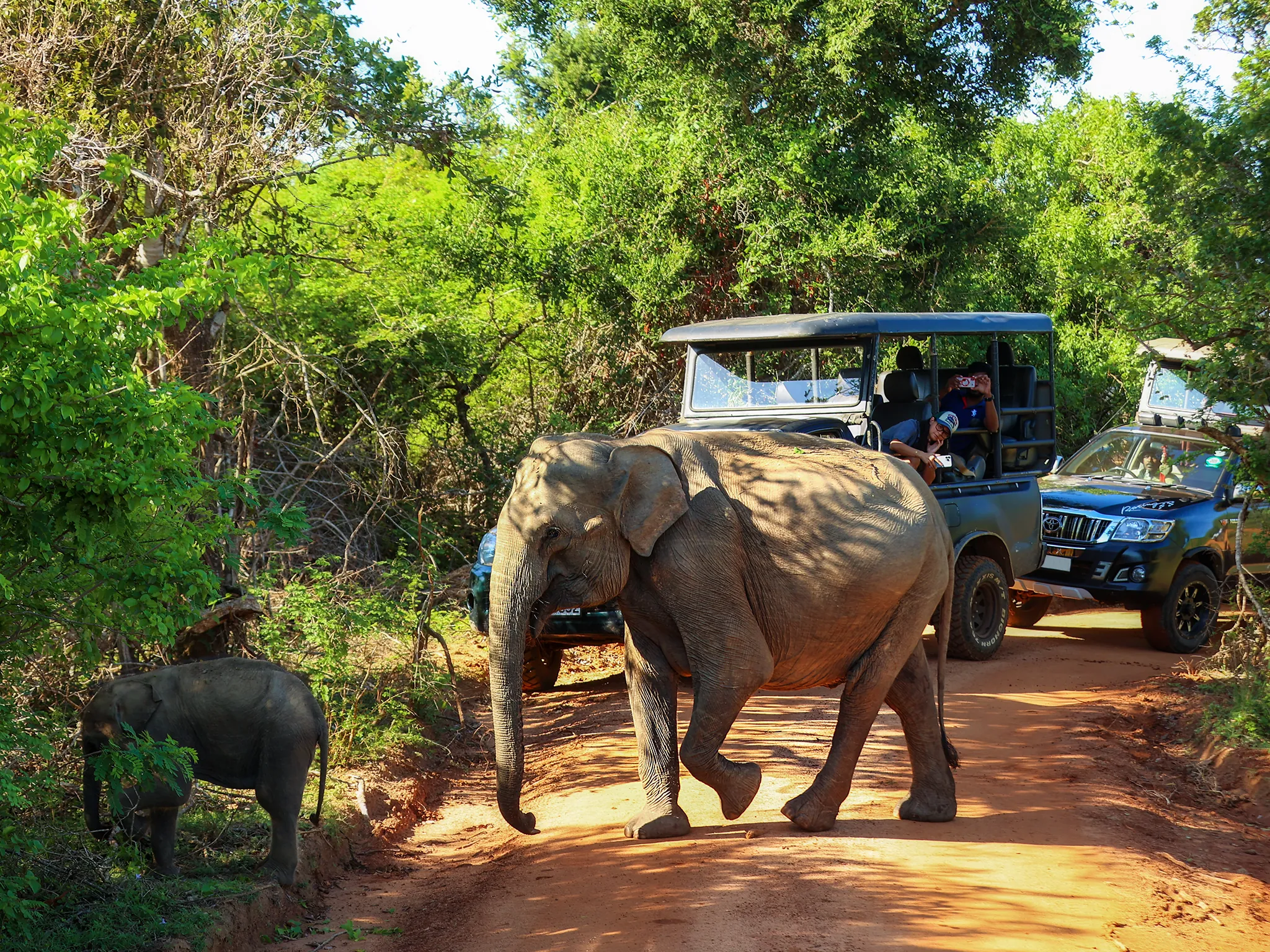
Udawalawe National Park is widely known for its elephant population and open landscapes. Its grasslands, scrub, and areas around the reservoir create habitat for elephants and other wildlife.
Jeep safaris provide an opportunity to look for elephants, water buffalo, deer, crocodiles, and birds. The open terrain can make some animals easier to spot, although sightings and viewing conditions vary.
Visitor tip: Udawalawe can be a practical choice for travellers combining wildlife with destinations in the southern or central parts of the island. Plan your route around actual road conditions and the time needed for the safari.
3. Wilpattu National Park
Best for: Travellers interested in a large natural landscape and a quieter-feeling safari experience.
Wilpattu National Park lies in northwestern Sri Lanka and is known for its forested landscape and natural lakes, often called villus. Its habitats support wildlife including leopards, elephants, deer, and birds.
The park's landscape differs from the more open areas found in some other wildlife destinations. Animals may be difficult to spot among vegetation, so patience is important.
Visitor tip: Allow enough time for travel to the park and confirm current access conditions with a reputable operator before planning your stay.
4. Minneriya National Park
Best for: Travellers exploring the Cultural Triangle who are interested in elephants.
Minneriya National Park is located in Sri Lanka's north-central region. The park and its reservoir surroundings are known for seasonal elephant gatherings, which depend on water, food availability, rainfall, and animal movement.
The timing and location of elephant concentrations can change. Visitors should not assume that a large gathering will occur on a particular date.
Visitor tip: Ask a knowledgeable local operator about current wildlife movements and whether Minneriya or another nearby park is more suitable during your visit.
5. Kaudulla National Park
Best for: Travellers interested in elephants and wildlife in the north-central region.
Kaudulla National Park is another option for visitors exploring the Cultural Triangle. Like nearby Minneriya, it contains habitats associated with reservoirs and grasslands, and elephant sightings can vary with seasonal conditions.
Rather than deciding on a park based only on a fixed online recommendation, check recent local information before booking. Wildlife movements and park conditions may make one option more suitable than another.
6. Bundala National Park
Best for: Birdwatchers and travellers interested in wetlands.
Bundala National Park, on the southern coast, is recognised for its wetlands and birdlife. Lagoons, salt marshes, and other wetland habitats attract a variety of resident and migratory birds at different times of the year.
The park can be a useful addition to a southern Sri Lanka itinerary, especially for visitors who want a different experience from an elephant-focused safari.
7. Sinharaja Forest Reserve
Best for: Nature lovers, birdwatchers, and travellers interested in rainforest biodiversity.
Sinharaja is a tropical rainforest reserve known for its rich biodiversity and endemic species. It offers a different type of wildlife experience from a jeep safari through a dry-zone national park.
Visitors generally explore designated routes with appropriate guidance. Trails may be wet, muddy, or slippery, so suitable footwear and preparation are important.
Visitor tip: Check the current access arrangements and local guide requirements before visiting, and avoid entering forest areas without appropriate guidance.
Wildlife You May See in Sri Lanka
Asian Elephants
Asian elephants are among Sri Lanka's best-known wild animals. They may be seen in several national parks, but their movements depend on habitat conditions and seasonal resources. Keep a safe distance and never attempt to feed or approach them.
Leopards
Leopards attract wildlife photographers and safari visitors, particularly in parks such as Yala and Wilpattu. They are wild, elusive animals, and sightings are never guaranteed. A responsible safari should prioritise animal welfare rather than pursuing a sighting at any cost.
Birds
Sri Lanka supports a wide range of bird species, including endemic birds and migratory visitors. Wetlands, forests, reservoirs, and coastal areas each offer different birdwatching opportunities. Binoculars and a local bird guide can help visitors identify species without disturbing them.
Crocodiles, Deer, and Other Animals
Depending on the location, visitors may see crocodiles, deer, water buffalo, monkeys, wild boar, and other animals. Always observe wildlife from a safe distance and follow instructions from park staff or guides.
Marine Wildlife
Some coastal destinations offer organised excursions to observe marine wildlife, including whales and dolphins in suitable seasons and locations. Conditions at sea can change, and sightings cannot be guaranteed. Choose operators who follow responsible wildlife-viewing practices and current local regulations.
Best Time for Sri Lanka Wildlife Tours
There is no single best month for every national park. Rainfall, water availability, vegetation, animal movements, and local access conditions all affect wildlife viewing.
- Yala: Wildlife-viewing conditions vary by season and park block. Check current opening information and local guidance before booking.
- Udawalawe: Can be considered for elephant viewing throughout much of the year, but sightings and conditions still vary.
- Minneriya and Kaudulla: Elephant gatherings are seasonal and depend on environmental conditions. Confirm recent local information before choosing a park.
- Wilpattu: Consider rainfall, road conditions, and current access when planning a visit.
- Bundala: Wetland birdlife changes with seasonal conditions, including the arrival of migratory species.
- Sinharaja: Rainfall can affect trail conditions throughout the year, so check forecasts and prepare for wet ground.
Early morning and late afternoon are common safari periods because they provide opportunities to look for wildlife when conditions may be suitable. The available safari times depend on park regulations and the operator's arrangements.
How to Plan a Wildlife Safari
A typical national park safari takes several hours, although the total time needed also includes travel to the entrance, entry procedures, and transfers between accommodation and the park. A half-day safari may be enough for a short visit, while wildlife enthusiasts may prefer more than one safari.
Choose the Right Park
Start with your main interest. Consider Udawalawe for elephants, Yala or Wilpattu for a chance to look for leopards, Bundala for wetland birds, and Sinharaja for rainforest biodiversity. These are general suggestions, not guarantees of sightings.
Book a Responsible Operator
Ask what the price includes, such as transport, the jeep, park entry, guide services, and any additional charges. Confirm pick-up arrangements and the expected duration before paying.
Understand the Costs
Wildlife safari expenses can include official park entrance charges, vehicle hire, driver or guide services, and transport to the park. Prices vary according to the park, group size, vehicle, and service provider. Check the latest official fees and obtain a clear quotation before confirming your booking.
Allow Enough Travel Time
Some parks are far from major cities and popular beach areas. Avoid scheduling a long drive, a safari, and another major activity too tightly on the same day. Staying nearby the night before an early safari may make the experience more comfortable.
How to Get to Sri Lanka's Wildlife Parks
Transport options depend on the national park you plan to visit. Many travellers reach the nearest town by private car, taxi, bus, or an organised tour and arrange the safari separately or as part of a package.
- Private car or taxi: Useful for flexible routes and journeys involving several destinations.
- Organised wildlife tour: Can simplify transfers, park entry arrangements, and safari logistics.
- Public bus: May be a budget-friendly option to reach nearby towns, but additional local transport may be needed.
- Train: Can help with some longer journeys around the island, but it does not provide direct access to every park.
- Tuk-tuk: Useful for short local journeys, but confirm suitability and costs before using one for longer transfers.
For example, visitors exploring Sigiriya and Polonnaruwa may consider Minneriya or Kaudulla, while travellers visiting the southern region may be able to include Yala, Udawalawe, or Bundala depending on their route. Check current road conditions, transport schedules, and park arrangements before travelling.
How Long Should You Spend on a Wildlife Tour?
- 1–2 hours: Usually too short for a full national park safari once entry procedures and travel are considered. It may suit a short local nature activity instead.
- Half a day: A practical option for one safari, depending on park timings and transfer arrangements.
- One full day: Can allow a safari alongside other activities or travel, provided the schedule is realistic.
- 2–3 days: Useful for visiting more than one wildlife area or allowing time for multiple safari opportunities.
- 4 days or more: Suitable for travellers who want to combine different habitats, such as dry-zone parks, wetlands, and rainforest areas.
For a wider Sri Lanka itinerary, one or two wildlife-focused days may be enough. Dedicated nature lovers and photographers may want additional time so they can explore different habitats without rushing.
Where to Stay for Wildlife Tours
Staying near the park you plan to visit can reduce early-morning travel and make it easier to follow safari schedules. Accommodation options vary from simple guesthouses to lodges and higher-end stays, depending on the destination.
- Budget travellers: Look for guesthouses or simple accommodation in nearby towns.
- Mid-range travellers: Consider small hotels or lodges that offer convenient access to park entrances.
- Luxury travellers: Some wildlife areas have higher-end lodges or private stays, but availability and facilities vary.
- Families: Check room arrangements, transfer times, meal options, and whether the safari schedule suits children.
- Couples: A lodge or quiet countryside stay can provide a convenient base for wildlife viewing.
- Backpackers: Accommodation in nearby towns may offer flexibility for public transport and local excursions.
Confirm the property's exact location and transfer arrangements before booking. A property advertised as being near a national park may still require a substantial drive to the relevant entrance.
What to Pack for a Wildlife Safari
Preparation helps make an early start or several hours outdoors more comfortable. Consider packing:
- Lightweight, breathable clothing in muted colours.
- A hat and sunscreen.
- Insect repellent appropriate for the setting.
- Drinking water and any necessary personal medication.
- Binoculars for observing birds and distant wildlife.
- A camera with a suitable zoom lens, if you use one.
- A power bank and a fully charged phone.
- A light rain jacket during wetter periods.
- Comfortable footwear for getting in and out of the vehicle or walking where permitted.
- Cash for small expenses where card payments may not be available.
Follow your guide's instructions about what to bring into the park, and avoid carrying or using items that could disturb wildlife.
Responsible Wildlife Tourism in Sri Lanka
Responsible behaviour is essential when visiting wildlife habitats. Animals should be observed on their own terms, without pressure to approach vehicles or perform for visitors.
- Never feed wild animals or attempt to touch them.
- Keep a safe distance and follow park regulations.
- Do not encourage drivers to chase animals or block their movement.
- Keep noise low, especially when observing birds or other sensitive wildlife.
- Take all rubbish away and avoid leaving food behind.
- Use established routes and follow instructions from authorised staff.
- Choose wildlife experiences that prioritise animal welfare over close contact or entertainment.
- Respect local communities and support responsible local businesses.
Elephants and other wild animals can be dangerous, even when they appear calm. Never approach wildlife on foot unless you are in an area where it is explicitly permitted and you are following qualified guidance.
Nearby Places to Combine with Wildlife Tours
Depending on the park you select, you may be able to combine wildlife viewing with other Sri Lankan destinations.
- Sigiriya: Visit the famous rock fortress and surrounding cultural landscape; it can be combined with wildlife parks in the north-central region.
- Dambulla: Explore its historic cave temple complex while travelling through the Cultural Triangle.
- Polonnaruwa: Discover the remains of an ancient capital and other historic sites.
- Ella: Enjoy hill-country scenery, walking opportunities, and a different landscape from the dry-zone parks.
- Galle: Explore the historic fort and coastal atmosphere when travelling through the south.
- Mirissa: Consider a coastal stay and responsible marine wildlife excursions when conditions and the season are suitable.
- Udawalawe area: Combine a park visit with time to explore the surrounding countryside, while respecting local wildlife and community guidance.
These places are in different parts of the island, so they should not all be added to a short itinerary. Choose combinations that minimise unnecessary backtracking and allow sufficient time for each activity.
Who Are Sri Lanka Wildlife Tours Best For?
- First-time visitors: A safari adds a nature experience to a cultural and coastal itinerary.
- Families: Wildlife viewing can be educational, provided the trip length and safari conditions are appropriate for children.
- Couples: A wildlife excursion can be combined with countryside accommodation or a beach holiday.
- Solo travellers: Organised safaris can simplify transport and provide access to a guide.
- Photographers: Different habitats offer opportunities to photograph animals, birds, and landscapes, although sightings and lighting vary.
- Birdwatchers: Wetlands, forests, and other habitats offer different species and observation opportunities.
- Adventure travellers: Nature-based trips can add variety to a longer island journey.
Pros and Things to Consider
What Visitors May Enjoy
- Opportunities to observe elephants, birds, and other wildlife.
- A choice of national parks and habitats.
- Experiences that can be combined with cultural and coastal travel.
- Guided opportunities to learn about local ecosystems.
- Landscape and wildlife photography.
Things to Consider
- Wildlife sightings are unpredictable.
- Travel to remote parks may require several hours.
- Weather and seasonal conditions can affect access and visibility.
- Safari prices may include several separate charges.
- Popular parks can become busy, especially when a notable animal is spotted.
Frequently Asked Questions About Sri Lanka Wildlife Tours
1. What is the best national park for wildlife in Sri Lanka?
It depends on your interests. Yala and Wilpattu are options for visitors hoping to see leopards, Udawalawe is well known for elephants, and Bundala is a useful choice for wetland birdwatching.
2. Can I see elephants in Sri Lanka?
Yes, elephants live in several national parks and other natural areas. Udawalawe, Minneriya, and Kaudulla are popular options, but sightings and gathering locations depend on conditions.
3. Is it possible to see leopards in Sri Lanka?
Leopards live in parks such as Yala and Wilpattu. A safari provides an opportunity to look for them, but no operator can guarantee a sighting.
4. What is the best time for a wildlife safari?
The best period depends on the park, rainfall, wildlife movements, and current access conditions. Check recent local advice before choosing a date.
5. How long does a wildlife safari take?
A safari commonly takes several hours, depending on park rules and the package booked. Allow additional time for transfers and entry procedures.
6. Are wildlife tours suitable for children?
Many families enjoy guided safaris, but consider the child's age, the length of the drive, heat, and the need to remain seated and quiet. Confirm any operator age policies before booking.
7. How much does a Sri Lanka wildlife tour cost?
Costs vary by park, group size, jeep hire, transport, guide services, and entry fees. Ask for an itemised quotation and verify the latest official park charges.
8. Should I book a safari in advance?
Advance booking can be helpful during busy periods or when you have a fixed itinerary. Confirm the operator, inclusions, cancellation terms, and meeting arrangements.
9. What should I wear on a safari?
Choose lightweight, comfortable clothing, sun protection, and suitable footwear. A rain jacket may be useful in wet weather, and muted colours can help you blend into the surroundings.
10. Are Sri Lanka wildlife tours safe?
Safaris can be enjoyed responsibly by following park regulations and your guide's instructions. Never approach, feed, or provoke wild animals, and use reputable operators who prioritise visitor safety and wildlife welfare.
Conclusion
Sri Lanka wildlife tours offer opportunities to explore the island's national parks, wetlands, forests, and other natural habitats. Whether you are interested in elephants, leopards, birdwatching, or rainforest biodiversity, the best experience begins with choosing the right location and season for your interests.
Plan realistic travel times, check current park conditions and costs, and choose operators who respect wildlife. By keeping expectations flexible and observing animals responsibly, you can include a rewarding nature experience in a wider Sri Lanka itinerary.
CONTACT US
Let’s Plan Your Journey
Get in touch with us to plan your perfect Sri Lankan adventure. Our friendly team is ready to help with tour packages, airport transfers, and personalized travel arrangements.