
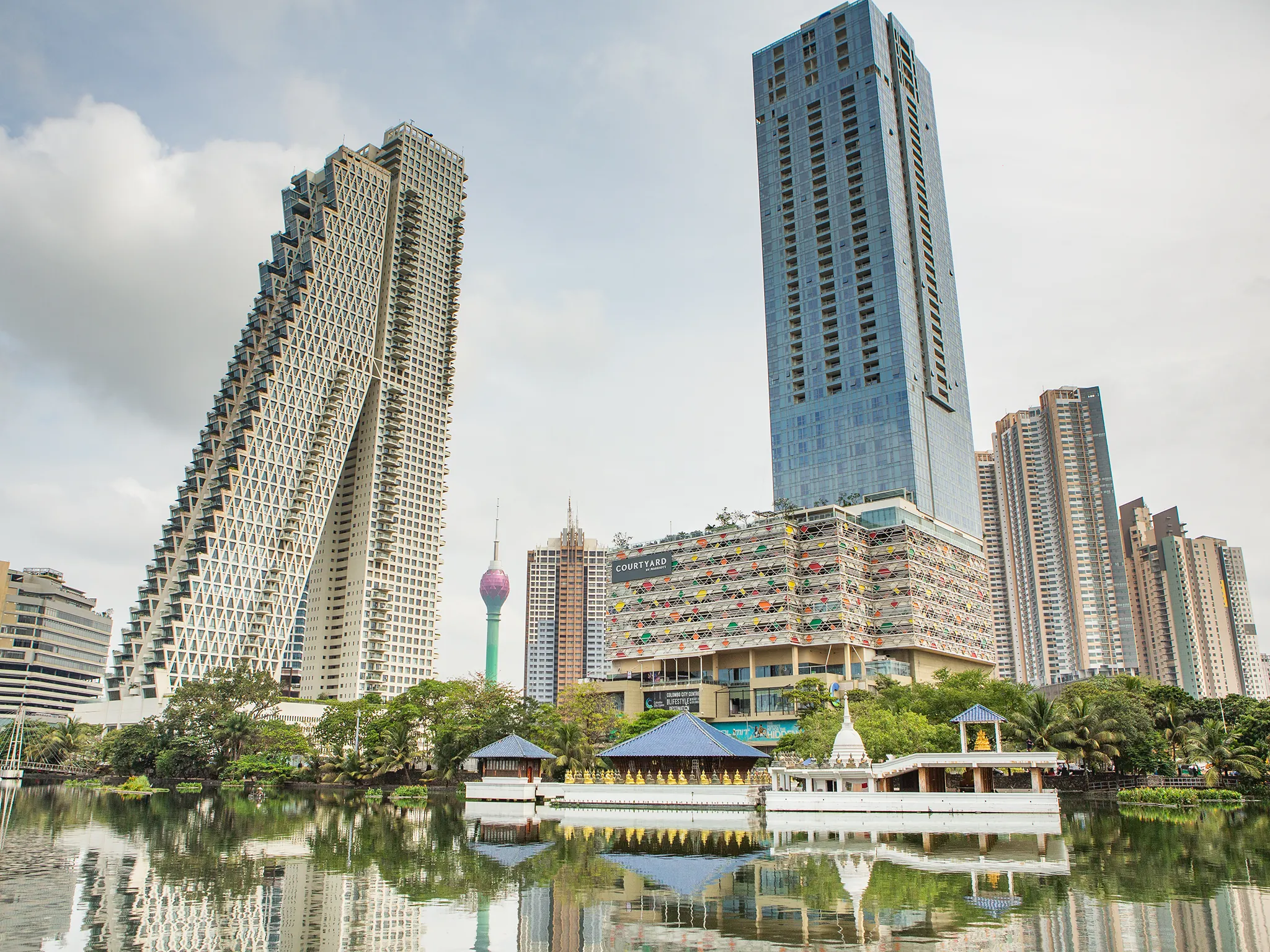
Is Sri Lanka Safe for Tourists?
A practical travel safety guide covering transport, beaches, health, local customs, and essential precautions for visiting Sri Lanka.
Is Sri Lanka safe for tourists? For many international visitors, Sri Lanka can be a rewarding destination when they take sensible precautions, stay informed, and plan their journeys carefully. The island offers ancient cultural sites, tropical beaches, wildlife experiences, mountain scenery, and welcoming local communities. However, like any travel destination, it has risks that visitors should understand before arriving.
Tourist safety in Sri Lanka involves more than crime. Road traffic, ocean conditions, weather, health precautions, scams, and local laws can all affect your trip. Conditions may also change, so travellers should check current official travel advice before departure.
This guide explains the main safety considerations for visiting Sri Lanka, with practical advice for solo travellers, couples, families, and first-time visitors. The aim is not to create unnecessary fear or promise complete safety, but to help you make informed decisions throughout your holiday.
Is Sri Lanka Safe to Visit in 2026?
Sri Lanka remains a destination that many international travellers visit for cultural sightseeing, wildlife, outdoor activities, and beach holidays. However, safety conditions can vary by location and over time. Political developments, public demonstrations, weather events, transport conditions, and local incidents may affect travel plans.
Before travelling, check your government's latest Sri Lanka travel advisory and any relevant health guidance. Pay attention to advice about specific regions, demonstrations, border or entry requirements, and emergency contacts.
During your trip, follow local instructions and avoid areas where protests, large crowds, or security incidents are taking place. If conditions change, be prepared to adjust your route or activities.
Common Safety Risks for Tourists in Sri Lanka
1. Petty Theft and Personal Belongings
As in many destinations, visitors should take care of phones, wallets, passports, cameras, and other valuables. Crowded markets, transport hubs, busy streets, and tourist attractions require particular attention.
Reduce the risk of theft by following a few simple habits:
- Keep valuables secure and avoid displaying large amounts of cash.
- Use a secure bag and keep it close in crowded areas.
- Store passports and spare money in a secure place at your accommodation when appropriate.
- Use reputable accommodation with suitable security arrangements.
- Be cautious if someone creates a distraction or pressures you to hand over your belongings.
If your passport or bank card is lost or stolen, contact the relevant authority or financial provider promptly.
2. Tourist Scams and Overcharging
Some visitors encounter misleading offers, unexpected charges, or pressure to buy services. These situations may involve transport, tours, shopping, or informal guides.
To reduce the risk of disputes, agree on the price and service details before accepting an offer. For private drivers, confirm the route, vehicle, duration, and whether fuel, parking, tolls, and waiting time are included.
When booking excursions, use providers with credible reviews and clear contact details. Be cautious about anyone promising guaranteed wildlife sightings, unusually cheap services with unclear terms, or special access that cannot be verified.
3. Road Safety and Transport
Road safety is one of the most important practical considerations for visitors to Sri Lanka. Traffic conditions can be busy and unpredictable, especially in cities and around popular tourist areas. Roads may also be narrow or winding in rural and mountainous regions.
Buses, motorcycles, tuk-tuks, cars, and pedestrians often share the same road space. Travel times can vary considerably because of traffic, road conditions, weather, and stops along the route.
For safer journeys:
- Choose a reputable driver or transport provider.
- Wear seat belts whenever available and required.
- Use appropriate child restraints when travelling with young children.
- Avoid riding with drivers who appear tired, distracted, or impaired.
- Wear a properly fitted helmet when travelling by motorcycle or scooter.
- Be careful when crossing roads, even at pedestrian crossings.
- Avoid travelling at night on unfamiliar rural roads where practical.
If you plan to rent a scooter or drive yourself, check licensing requirements, insurance coverage, local traffic laws, and whether you are legally permitted to use the vehicle.
4. Ocean and Beach Safety
Sri Lanka's beaches are a major attraction, but sea conditions can change quickly. Strong currents, waves, and rough surf can make swimming dangerous even when a beach looks calm.
Choose swimming areas carefully, follow lifeguard instructions where available, and ask local authorities or accommodation staff about current conditions. Do not enter the sea when warnings are in place or if you are unsure about the water.
If you are surfing, snorkelling, diving, or taking a boat trip, use a reputable operator with suitable equipment and clear safety procedures. Check weather and sea conditions before departure.
5. Wildlife and Outdoor Activities
Wildlife safaris and nature excursions can be memorable experiences, but animals must be treated with respect. Elephants, monkeys, wild boar, and other animals can behave unpredictably, especially when people approach, feed, or disturb them.
During safaris, follow the guide's instructions, remain in the vehicle where required, and never attempt to approach or feed wild animals. Keep a safe distance and avoid operators who encourage unsafe interactions.
For hiking and other outdoor activities, check trail conditions, weather forecasts, and route difficulty. Carry water, suitable footwear, and a charged phone. Tell someone about your plans if you are exploring a remote area.
Is Sri Lanka Safe for Solo Travellers?
Sri Lanka can be suitable for solo travellers, including people travelling independently for the first time. However, your experience will depend on your itinerary, transport choices, accommodation, activities, and personal comfort level.
Solo travellers should take the same precautions they would use elsewhere, especially when arriving late at night, travelling to unfamiliar places, or meeting people they do not know.
- Book your first night's accommodation before arrival.
- Arrange reliable transport from the airport if you are arriving late.
- Share your itinerary with someone you trust.
- Keep emergency contacts and accommodation details accessible.
- Meet new people in public places and use your judgement with invitations.
- Trust your instincts and leave situations that make you uncomfortable.
Solo travellers who plan to hike, surf, or explore remote areas should consider whether the activity is appropriate to do alone. A local guide or organised group may be more suitable for certain excursions.
Is Sri Lanka Safe for Female Travellers?
Many women travel around Sri Lanka, both independently and with companions. As anywhere, experiences differ, and some travellers may encounter unwanted attention or uncomfortable interactions.
Practical precautions can help you feel more confident without placing responsibility for another person's behaviour on you.
- Choose accommodation with credible reviews and clear arrival arrangements.
- Use reliable transport, particularly at night.
- Dress according to the setting and local customs, especially at religious sites.
- Keep control of your drink and personal belongings.
- Be cautious about sharing your accommodation details with strangers.
- Leave an uncomfortable situation and seek help from trusted staff or local authorities if needed.
At temples and other religious sites, clothing that covers the shoulders and knees is generally appropriate. Beachwear is more suitable for beaches and pools than for religious or formal settings.
Is Sri Lanka Safe for Families with Children?
Sri Lanka can be a rewarding family destination, with beaches, wildlife experiences, cultural attractions, and outdoor activities. Families should plan around children's ages, health needs, and tolerance for long journeys.
Road travel deserves particular attention. Confirm that your vehicle can accommodate the family comfortably and ask about suitable child restraints before booking. Do not assume every vehicle will have a child seat available.
Parents should also supervise children near roads, water, wildlife, steep viewpoints, and crowded attractions. Carry drinking water, sun protection, any necessary medication, and basic first-aid supplies.
For a more comfortable family holiday, avoid planning too many long transfers in a single day. Allow time for meals, rest, and changes in the weather.
Health and Food Safety in Sri Lanka
Health precautions can help reduce the chance of illness during your trip. Before departure, consult a qualified healthcare professional or travel health clinic about vaccinations, mosquito-borne illnesses, personal medication, and any precautions relevant to your itinerary.
Food and Drinking Water
Enjoying local food is an important part of visiting Sri Lanka, but choose food outlets that appear clean and handle food appropriately.
- Drink water from a source you know is safe.
- Use sealed bottled water when the safety of local drinking water is uncertain.
- Wash your hands before eating.
- Choose freshly prepared food that is served hot when possible.
- Wash fruit before eating or choose fruit that you can peel yourself.
- Be cautious with food that has been left unrefrigerated in hot conditions.
If you have food allergies or dietary restrictions, explain them clearly when ordering. Carry any essential medication in its original packaging and check whether it is permitted under Sri Lankan regulations.
Mosquito Protection
Mosquitoes can transmit diseases in Sri Lanka, so bite prevention is useful throughout the year. Use an appropriate insect repellent according to its instructions, wear suitable clothing, and consider accommodation with screens or air conditioning where available.
Seek medical advice if you develop a fever or feel seriously unwell during or after your trip, and tell the healthcare professional about your travel history.
Natural Hazards and Weather Risks
Sri Lanka experiences seasonal monsoon conditions, heavy rainfall, and occasional flooding or landslides in affected areas. Weather can also influence road travel, hiking, coastal activities, and wildlife excursions.
Check forecasts and local warnings, especially during rainy periods. If authorities advise against travelling to an area, follow their instructions and change your plans.
At beaches, pay attention to current conditions rather than relying only on the time of year. In the hill country, avoid unsafe trails and exposed viewpoints during heavy rain or poor visibility.
Respect Local Laws and Cultural Customs
Understanding local customs helps visitors avoid unnecessary problems and show respect for the communities they visit.
- Religious sites: Dress modestly and follow rules about footwear, photography, and visitor behaviour.
- Photography: Ask permission before taking close-up photographs of people. Follow restrictions at religious or security-sensitive locations.
- Alcohol: Follow local laws and venue rules, and avoid drinking before driving or taking part in activities requiring alertness.
- Drugs: Do not assume that substances permitted in your home country are legal in Sri Lanka. Check current laws before travelling.
- Wildlife: Do not feed animals or participate in activities that involve cruelty or unsafe contact.
- Public behaviour: Be respectful during religious ceremonies and in community spaces.
If you are uncertain about a local rule, ask a reliable local source or consult official guidance rather than relying on assumptions.
How to Avoid Common Tourist Problems
A few simple habits can make your trip easier to manage.
- Confirm prices before using a taxi, tuk-tuk, guide, or other paid service.
- Use reputable booking services and keep records of confirmed arrangements.
- Be cautious about unexpected requests for money or urgent payment.
- Use ATMs in secure, well-lit locations and protect your PIN.
- Keep digital and physical copies of important travel documents.
- Use a secure internet connection when accessing banking services.
- Check the latest travel advice before travelling to unfamiliar or remote regions.
- Make sure your travel insurance covers the activities you intend to undertake.
Emergency Information for Tourists
Before travelling, save the emergency numbers and contact details that apply to your situation. Keep your country's embassy or consular contact information available, along with your travel insurance details and accommodation contact information.
Emergency numbers and available services may change or vary by circumstance, so verify current details through official sources before departure. If you need urgent help, contact the appropriate local emergency service and follow the instructions provided.
If your passport is lost, contact your country's embassy or consulate for guidance on replacement travel documents. If a bank card is lost, contact your bank promptly to block it and review recent transactions.
Frequently Asked Questions
1. Is Sri Lanka safe for tourists in 2026?
Sri Lanka can be visited by international tourists, but safety conditions may change. Check your government's current travel advisory and follow local instructions during your trip.
2. Is Sri Lanka safe for solo travellers?
Many solo travellers visit Sri Lanka independently. Plan your transport and accommodation carefully, keep trusted contacts informed, and take normal precautions in unfamiliar places.
3. Is Sri Lanka safe for female travellers?
Women travel in Sri Lanka both independently and with companions, although experiences vary. Choose reliable accommodation and transport, use your judgement in social situations, and seek help if you feel unsafe.
4. Is Sri Lanka safe for families with children?
It can be a suitable family destination with thoughtful planning. Pay particular attention to road safety, child restraints, swimming conditions, food and water hygiene, and access to medical care.
5. Is it safe to travel around Sri Lanka by car?
Private car travel is a common option for tourists, but road conditions and driving behaviour require attention. Choose a reputable driver, use seat belts, and allow enough time for journeys.
6. Is it safe to swim at Sri Lankan beaches?
It depends on the beach and current sea conditions. Strong currents and rough surf can be dangerous, so follow local warnings and choose suitable swimming areas.
7. Are tourist scams common in Sri Lanka?
Some visitors encounter overcharging or misleading offers. Agree on prices in advance, check provider reviews, and confirm what is included before paying.
8. Can tourists drink tap water in Sri Lanka?
If you are unsure about the local water supply, choose water from a source known to be safe. Sealed bottled water is one option, and you should follow current health guidance.
9. What should I do if I lose my passport?
Contact your country's embassy or consulate for guidance and follow any required local reporting procedures. Keep a secure copy of your passport details as a backup.
10. Should I buy travel insurance for Sri Lanka?
Travel insurance is strongly worth considering. Check that it covers medical care, emergency assistance, transport disruption, and any activities you plan to undertake.
Conclusion
Sri Lanka can offer international visitors a rich and rewarding travel experience, from historic temples and wildlife parks to mountain scenery and tropical beaches. A safer trip begins with realistic planning, awareness of local conditions, and respect for the laws and customs of the country.
Pay particular attention to road safety, sea conditions, health precautions, weather warnings, and the details of transport or tour bookings. Check current official travel advice before departure and remain flexible if circumstances change.
No destination is completely risk-free, but informed decisions and sensible precautions can help you enjoy Sri Lanka with greater confidence.